Premium packaging finishes

POSTPRESS

Perfect Finishing,
Powerful Impact.

Advanced postpress processes and expert craftsmanship transform prints into outstanding packaging that stands out.

01

Coating

Ink formulation is a specialized process in which colors are carefully blended and adjusted to achieve the best match with the design and color standards. This stage ensures that the final print meets the customer’s expectations in terms of clarity, density, and color consistency.

02

Foils

Offset printing is a precise and widely used method in the printing industry that, by reproducing clear colors and fine details, delivers consistent quality in high-volume runs. Due to its speed and cost-effectiveness, this method is considered an ideal option for packaging and promotional products.

03

Diecut

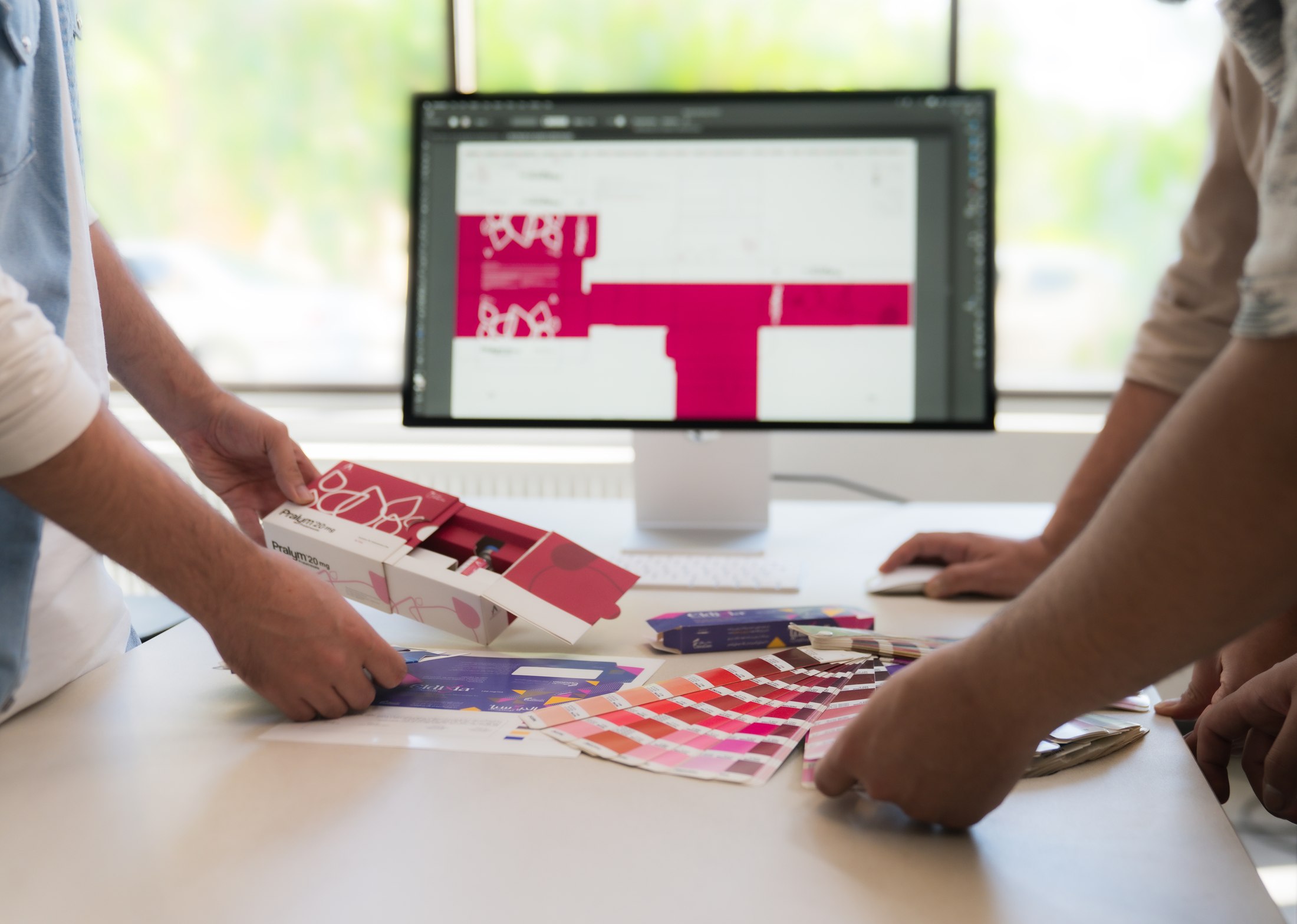
Color management is not just a stage in the printing process—it is a key principle for ensuring quality and consistency across all projects. Relying on the global ISO 12647-2 standard and utilizing advanced color management hardware, software, and expert personnel, we control print quality at every stage of production.

04

Box Gluing

The automatic box-gluing process is one of the final and highly critical stages in the production line of printed packaging, where die-cut sheets are transformed into their final box form.

05

QC

The Quality Control unit at Hoodis Pars Printing and Packaging Complex plays a vital role in ensuring the final product quality from raw materials through to final delivery.

06

Laboratory

To achieve the highest print quality and color accuracy, we utilize the most advanced color management systems and specialized laboratories.

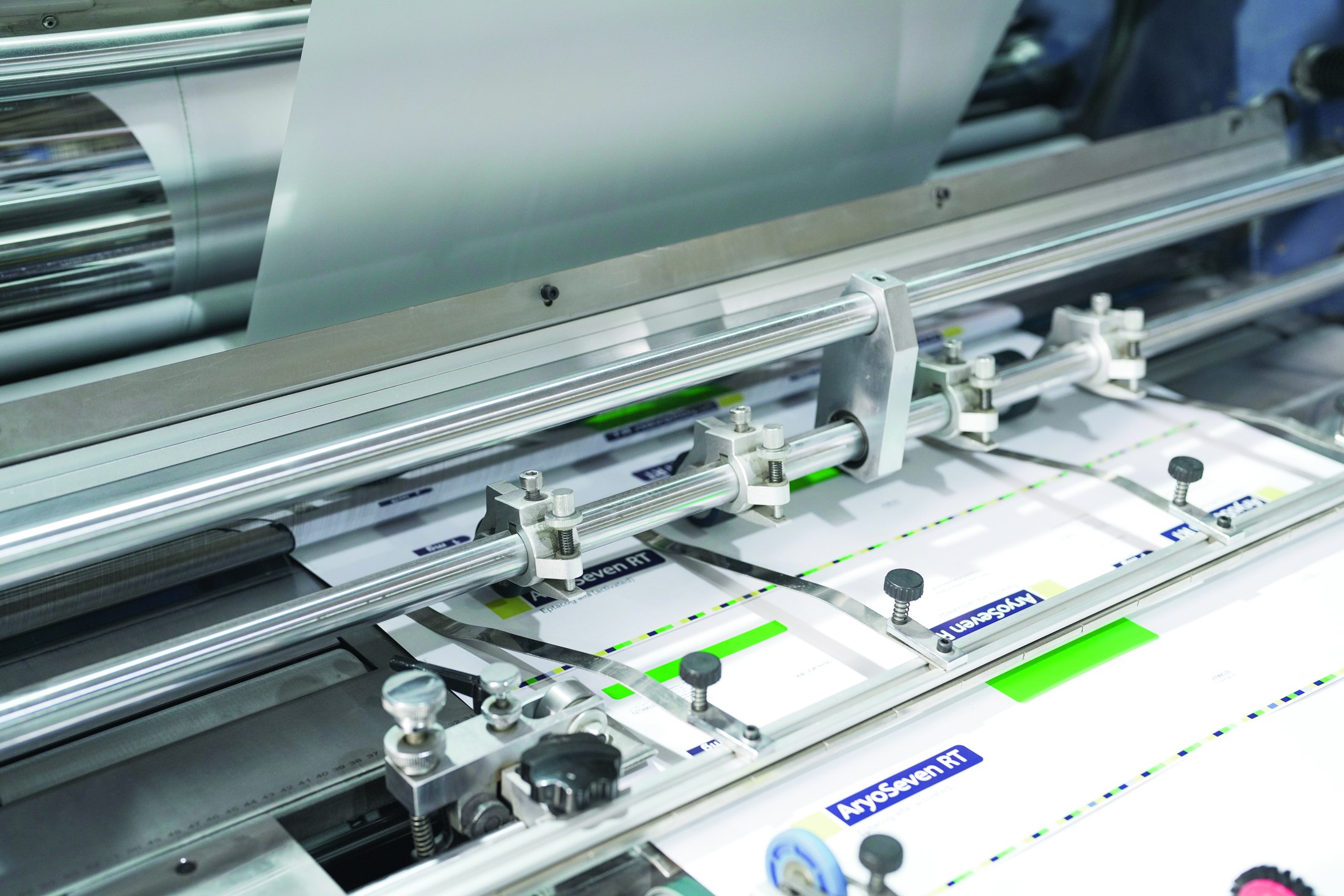
Automated coating process

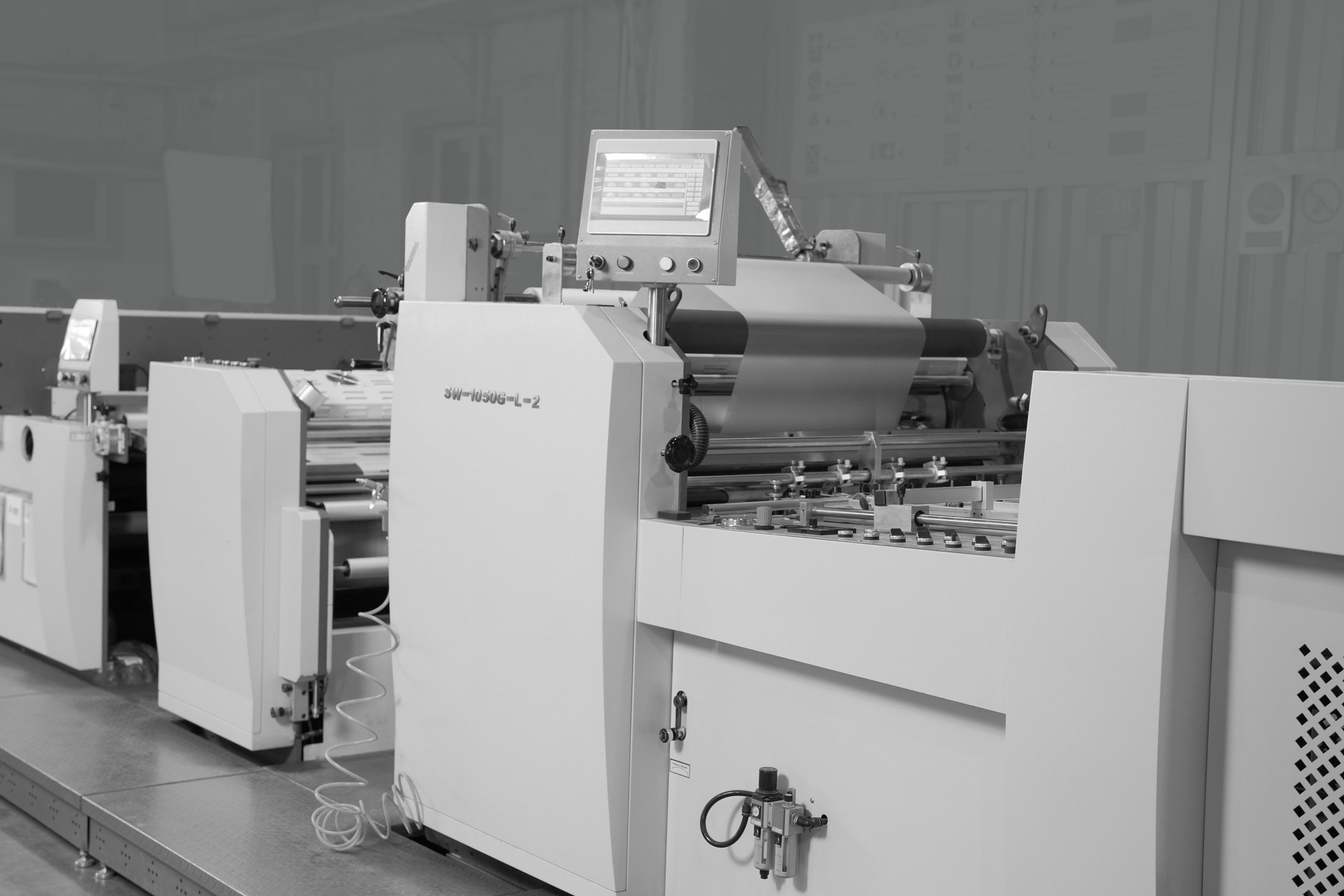
Post-press coatings play an important role in protecting, enhancing the appearance, and increasing the durability of printed products. Applied to the surface of paper or cardboard after printing, these coatings not only improve resistance to environmental factors such as moisture, scratches, and wear but also contribute to the visual appeal and perceived quality of the packaging by adding texture, gloss, or special effects.

One of the most common coatings is lamination, a thin layer of plastic film applied to the printed surface. Laminates are available in various types, including glossy, matte, velvet (super matte), and thermal lamination.

Alongside lamination, UV coatings are also widely used. UV coating can be applied either overall or selectively and is cured under ultraviolet light. Glossy UV provides a shiny finish to the surface, while Spot UV emphasizes specific areas, such as logos or headlines, creating a striking contrast between matte and glossy surfaces.

Another popular and environmentally friendly option is water-based coating. This type of coating is water-based and applied without chemical solvents, making it a safer and more eco-friendly choice. Water-based coatings are usually applied overall to the printed surface, providing a protective layer while giving a soft matte or semi-gloss finish.

With our equipped and up-to-date machinery for various coatings, we aim to intelligently and selectively combine these coatings to not only enhance the visual quality of the final product but also create a distinctive visual and tactile experience for the audience.

Postpress coating machine
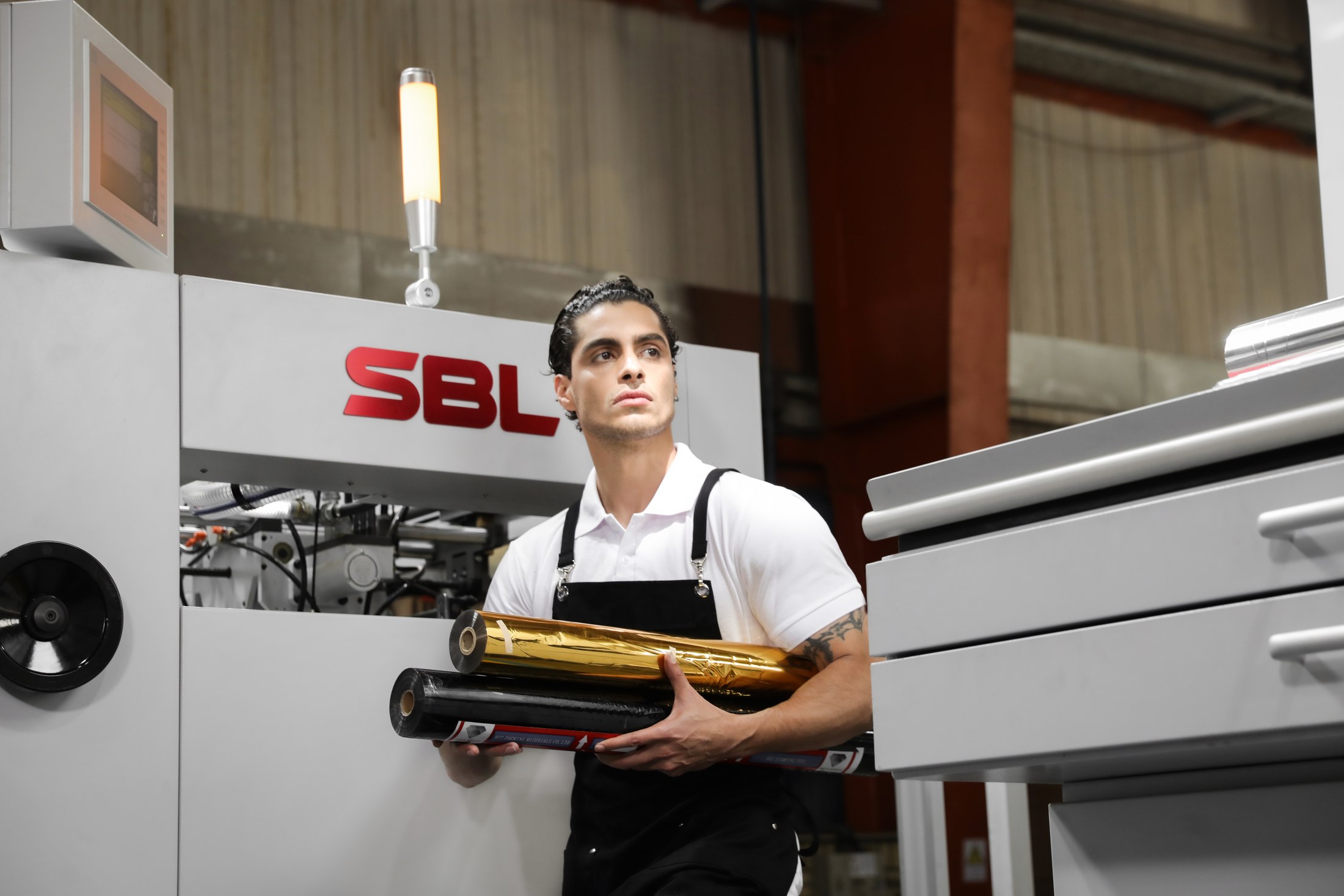
Foil finishing operator

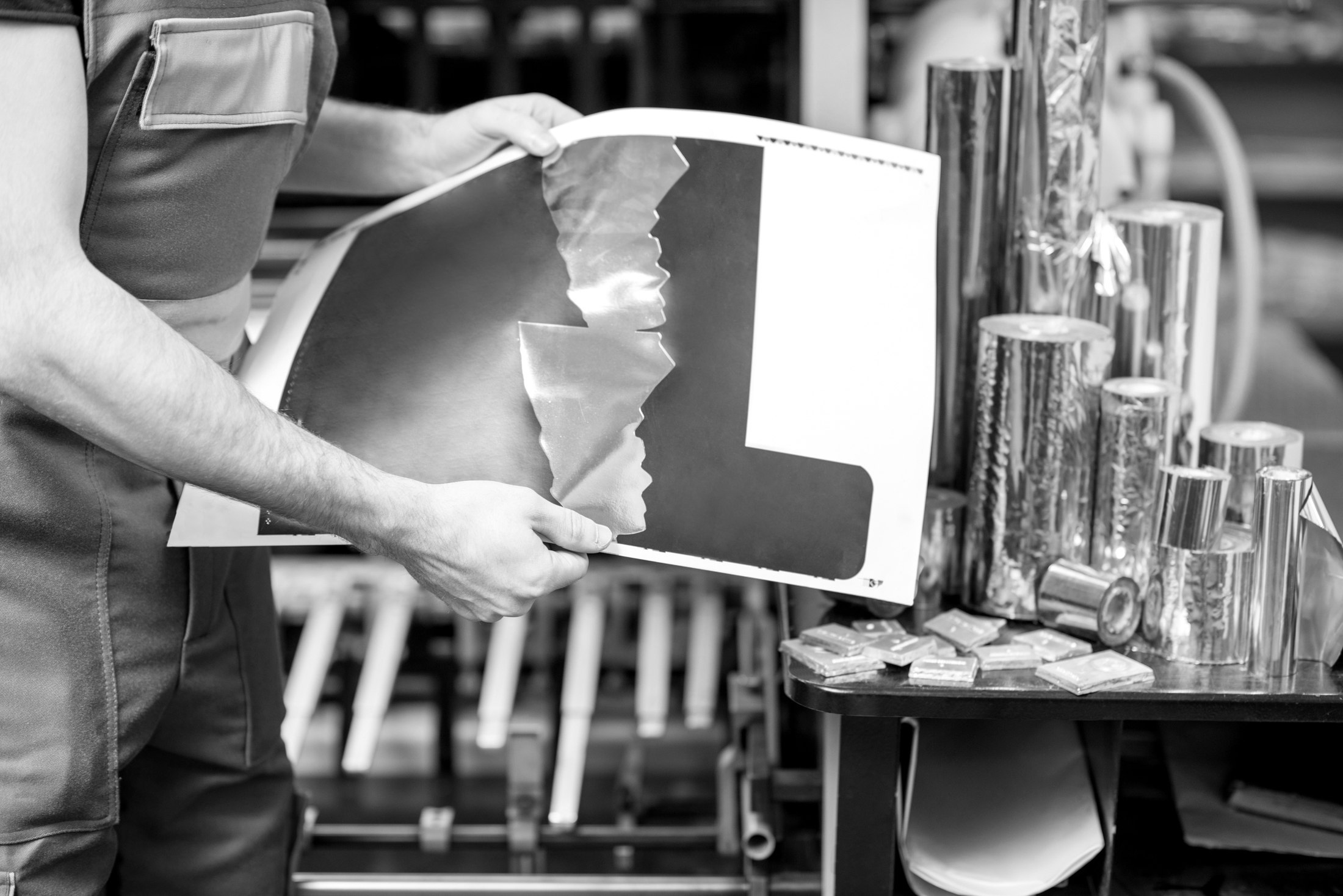
The use of foil in packaging is one of the most effective methods for creating luxurious and striking visual effects. The foil stamping process involves transferring a layer of colored or metallic foil onto the printed surface using heat and pressure. This technique not only adds a shiny and reflective finish to the design but also captures the audience’s attention and conveys a sense of quality and value to the product.

The most common types of foil in the printing industry are gold and silver foils, used respectively to evoke warmth, prestige, and trust, or a modern and elegant feel.

We have the capability to apply a wide variety of foils in an extensive range of colors and effects, including metallic foils in blue, copper, purple, green, and more, allowing the creation of distinctive effects tailored to a brand’s identity.

Proper use of foils not only enhances visual appeal but also increases the perceived value of the packaging. Correctly combining foil stamping with other coating techniques, such as matte lamination or spot UV, can create a unique consumer experience and make the product stand out on store shelves.

Foil application detail
Automatic diecut machine

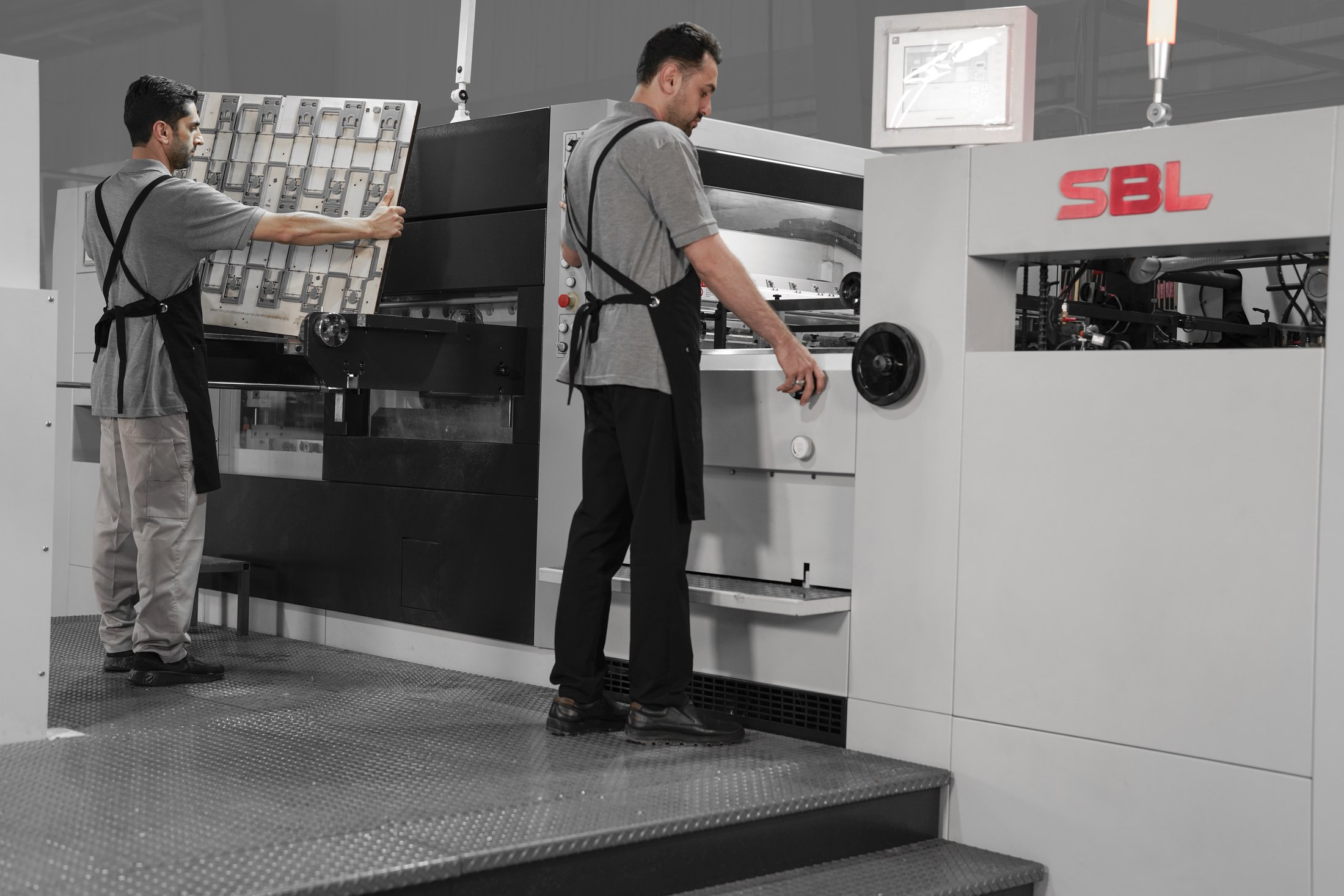
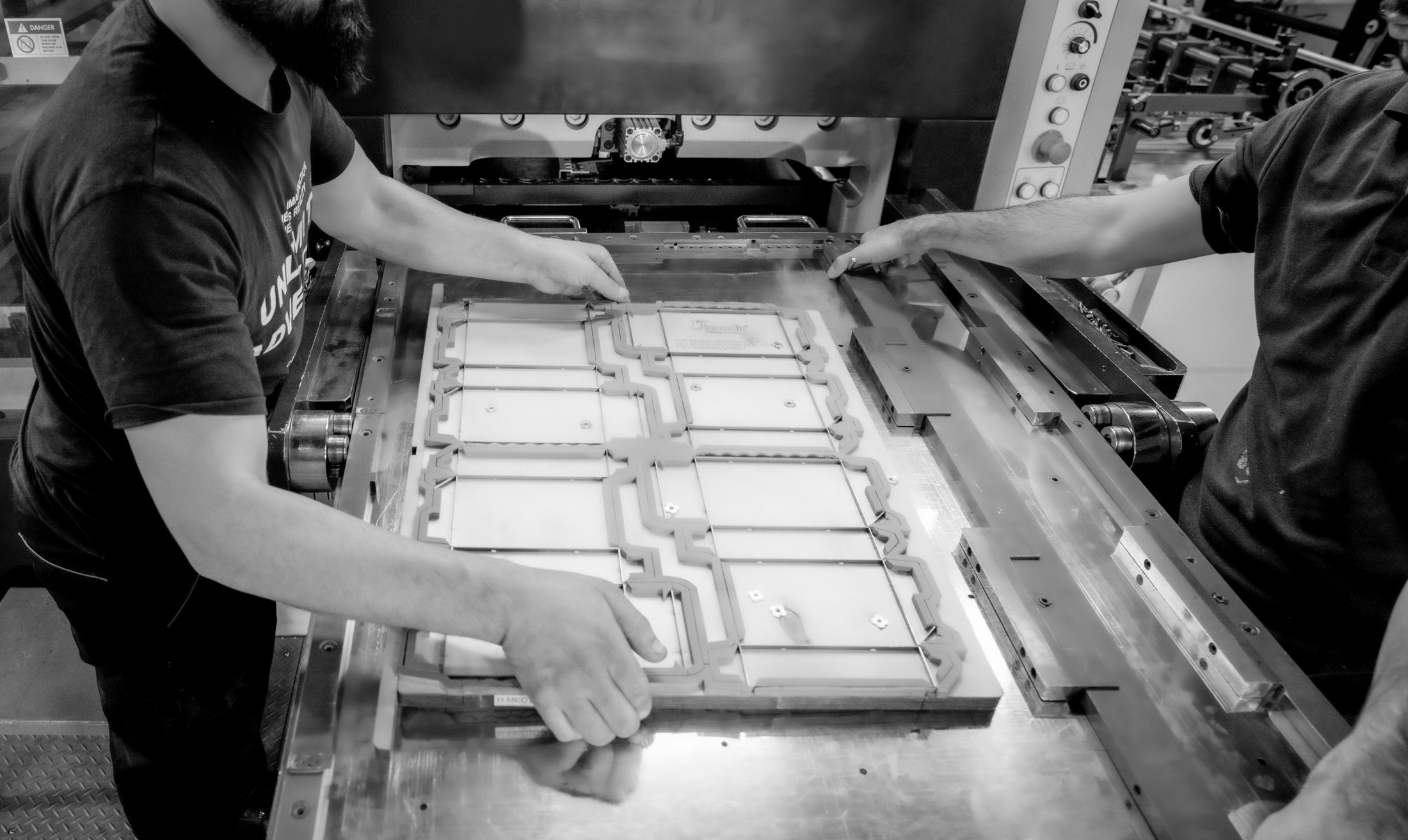
The fully automatic die-cutting process is one of the key stages in producing high-quality, professional packaging. In this stage, printed sheets are precisely cut into the desired shapes, and creases or partial cuts are created. Using fully automatic machinery significantly increases production speed, reduces human error, and ensures repeatable accuracy in high-volume runs.

Another significant advantage of fully automatic die-cutting at this facility is its integration with other post-press processes. In these systems, feeding, cutting, sorting, and collecting parts are performed in a fully coordinated manner without manual intervention. This not only maintains cleanliness and order in production but also reduces setup time and increases efficiency.

These machines are a professional and essential choice for producing cardboard boxes and specialized packaging with complex dies. In industries such as pharmaceuticals, cosmetics, and food, where precision and finesse in the final packaging are critical, fully automatic die-cutting plays a key role in ensuring the quality of the finished product.

Diecut machinery detail
Automatic box gluing line

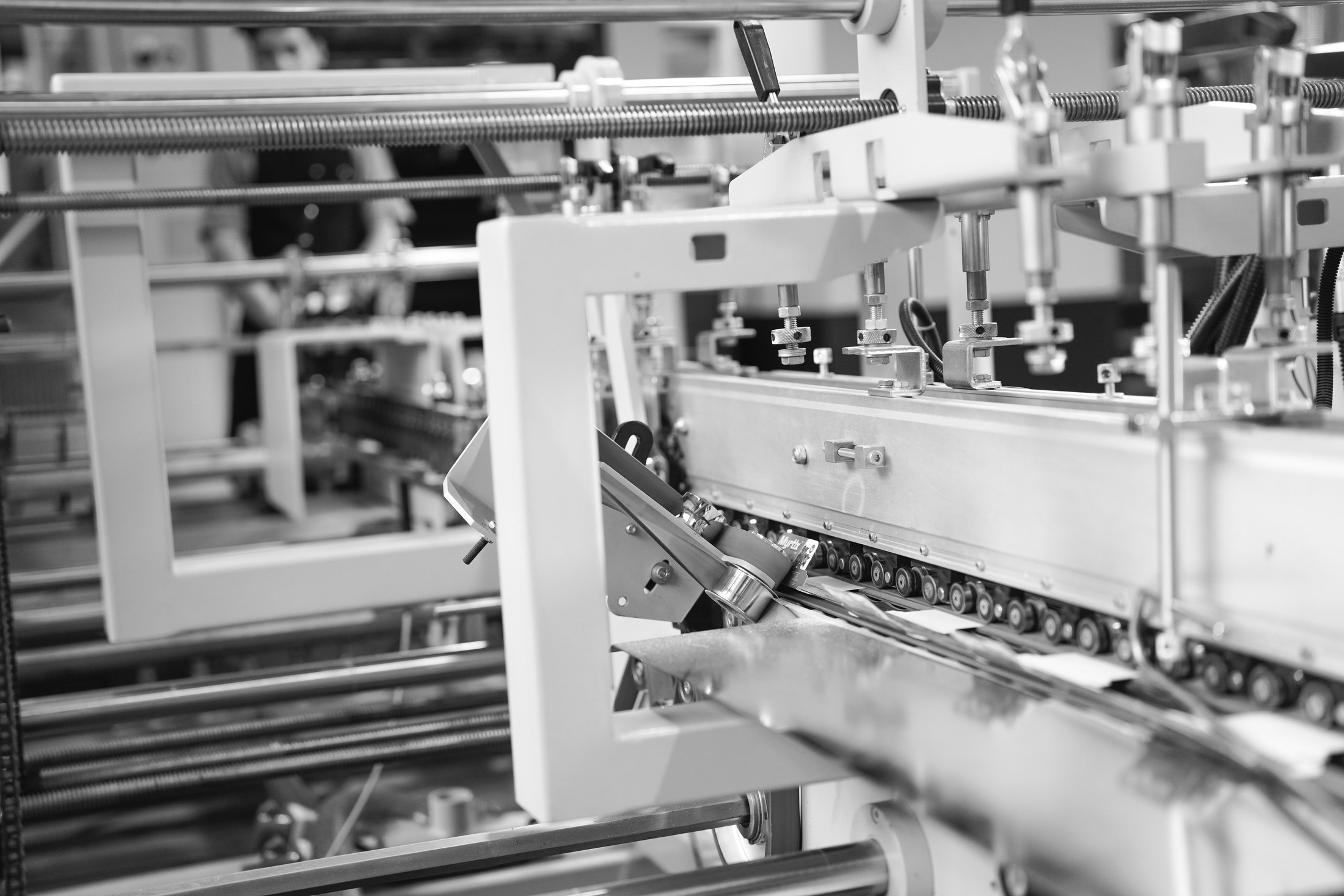
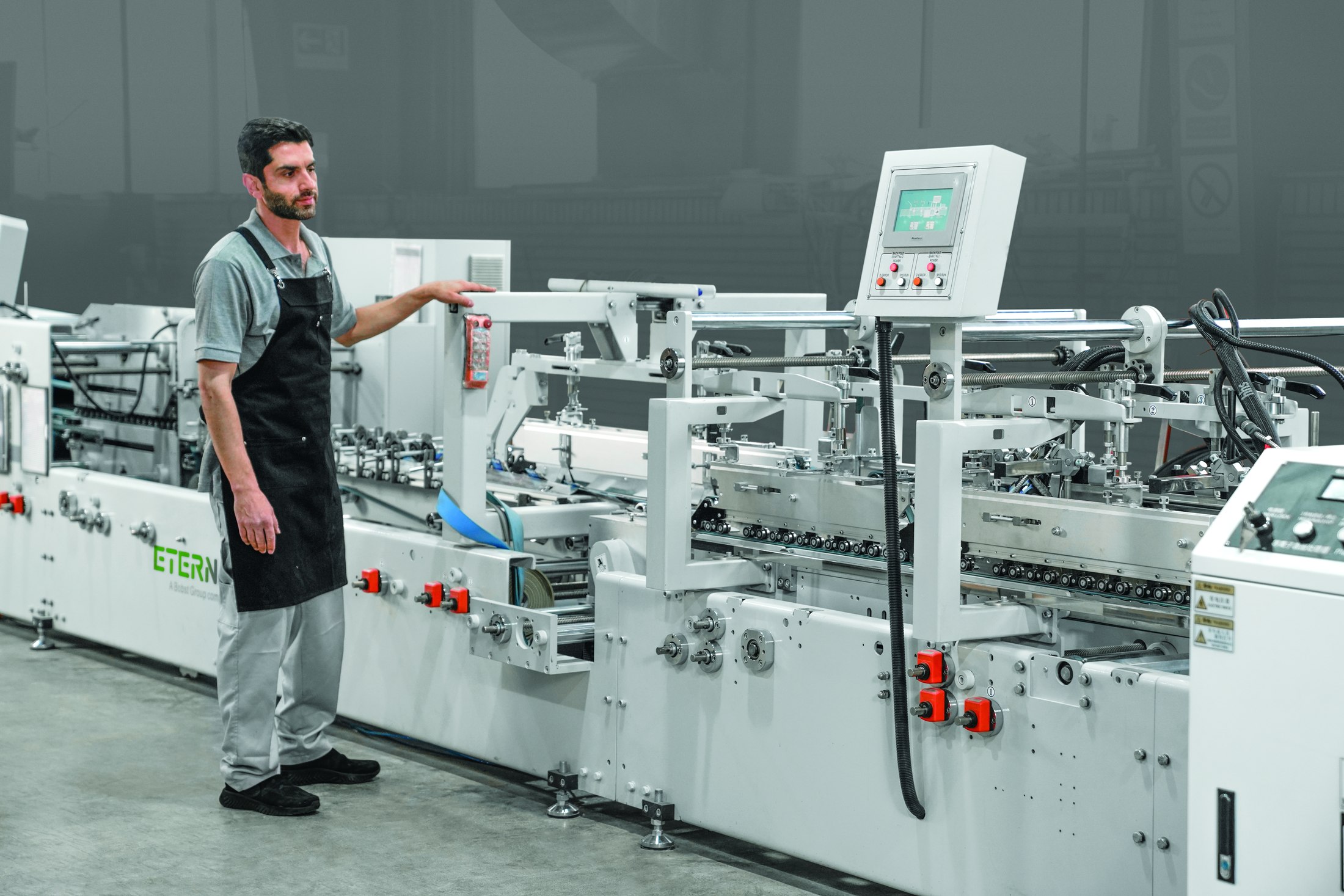
The automatic box-gluing process is one of the final and highly critical stages in the production line of printed packaging, where die-cut sheets are transformed into their final box form. In this stage, the edges specified in the design are bonded using cold or hot adhesives, and the box is folded and assembled.

Automatic box-gluing machines can produce various types of boxes—simple or complex, including tuck-end, glued-end, and lock-bottom boxes—continuously, with high speed and precision.

Another advantage of automatic box-gluing is its precise control and adaptability to a wide variety of packaging structural designs. These machines are equipped with accurate feeding systems, adhesive units with pressure and temperature control, and folding and pressing units, ensuring that even in high-volume production, no gluing errors or warping occur.

In industries such as pharmaceuticals, hygiene, food, and cosmetics, where speed, cleanliness, and packaging quality directly affect consumer trust, using fully automatic box-gluing machines is an essential solution for elevating production standards.

Box production detail
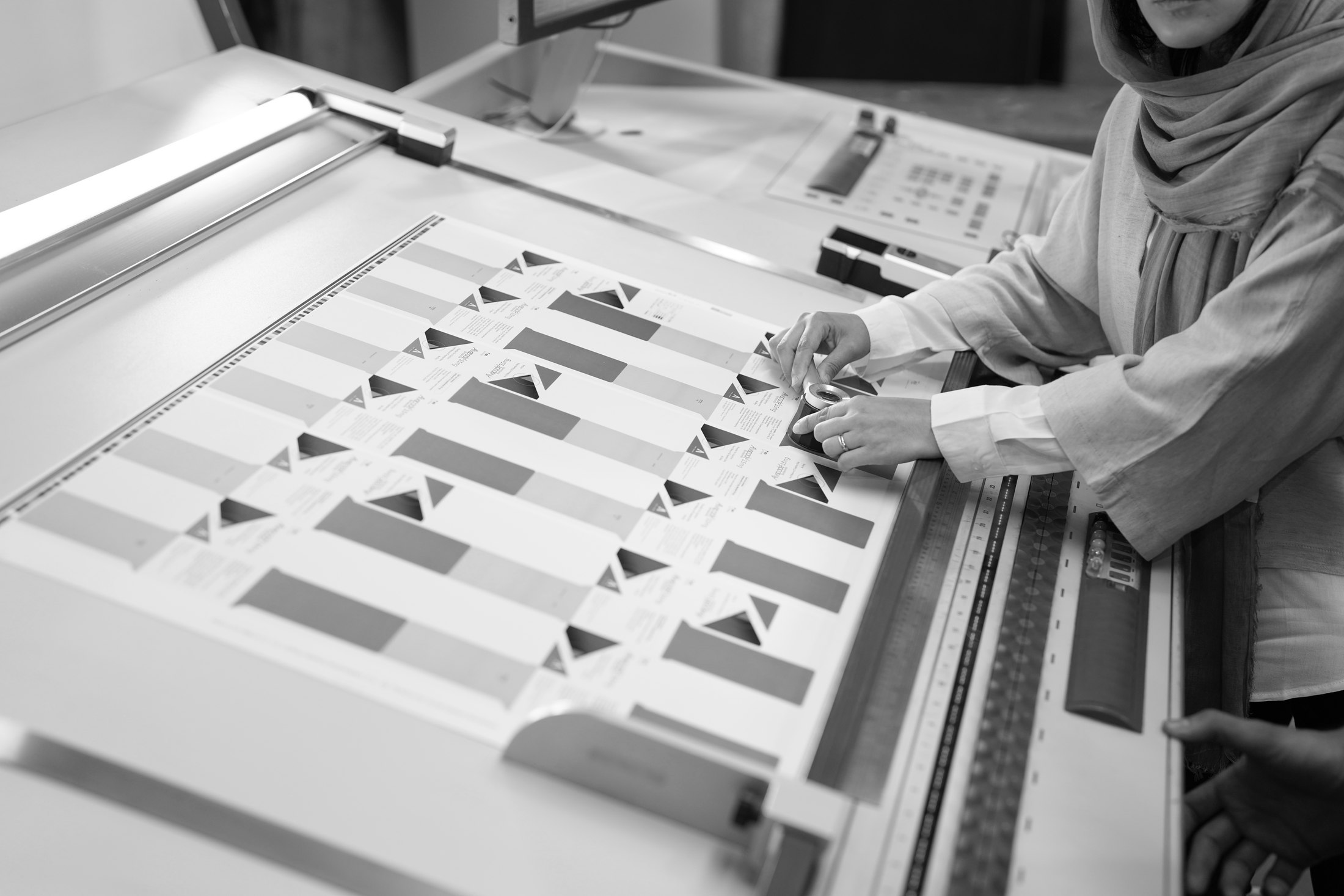
Quality control team reviewing print

The Quality Control unit at Hoodis Pars Printing and Packaging Complex, as a key part of the production process, plays a vital role in ensuring the final product quality. From the very beginning of the production chain, starting with the inspection of raw materials and continuing through to the final delivery to the customer, this unit continuously and meticulously monitors all processes.

Quality control is not just about identifying defects; it is a structured process aimed at preventing errors, continuously improving processes, and maintaining consistency in production standards.

This unit, utilizing advanced equipment and precise measurement tools, monitors various aspects of printing and packaging, including print clarity, color accuracy, alignment of the design with the final file, coating quality, die-cut accuracy, gluing, and the final cleanliness of the boxes.

The Hoodis quality control team consists of experienced specialists with expertise in printing, color, and packaging. Relying on established guidelines and detailed checklists, they inspect all production stages periodically and randomly.

One of the distinguishing features of the Quality Control unit at Hoodis is its full alignment with customer needs and expectations. We believe that quality is not defined solely within the factory; understanding, analyzing, and fulfilling customer requirements is an integral part of it.


Printed sheet quality inspection
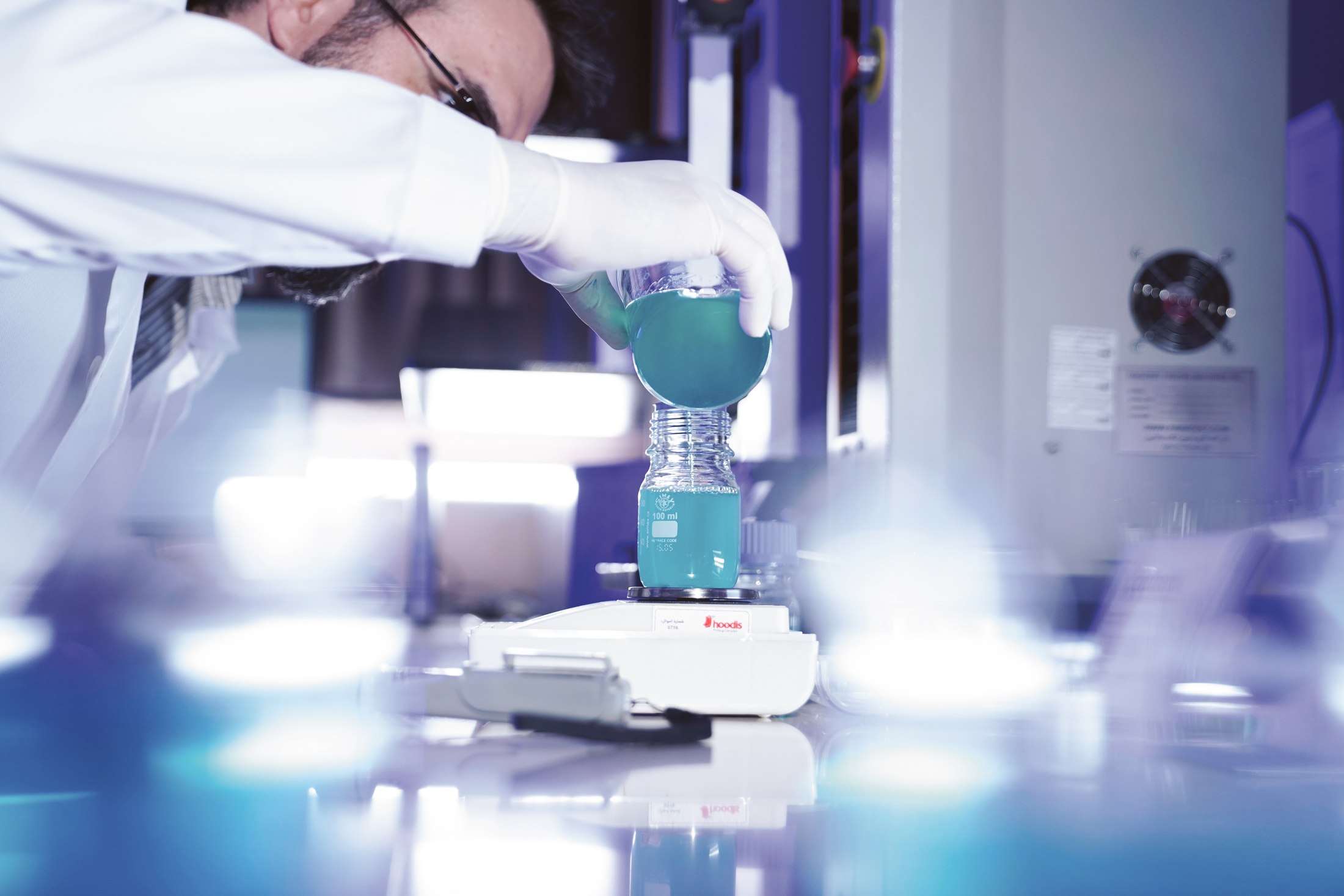
Hoodis technical laboratory

To achieve the highest print quality and color accuracy, we utilize the most advanced color management systems and specialized laboratories. Our color management systems precisely monitor colors at all stages of the printing process to ensure consistent and accurate color reproduction across all products and materials.

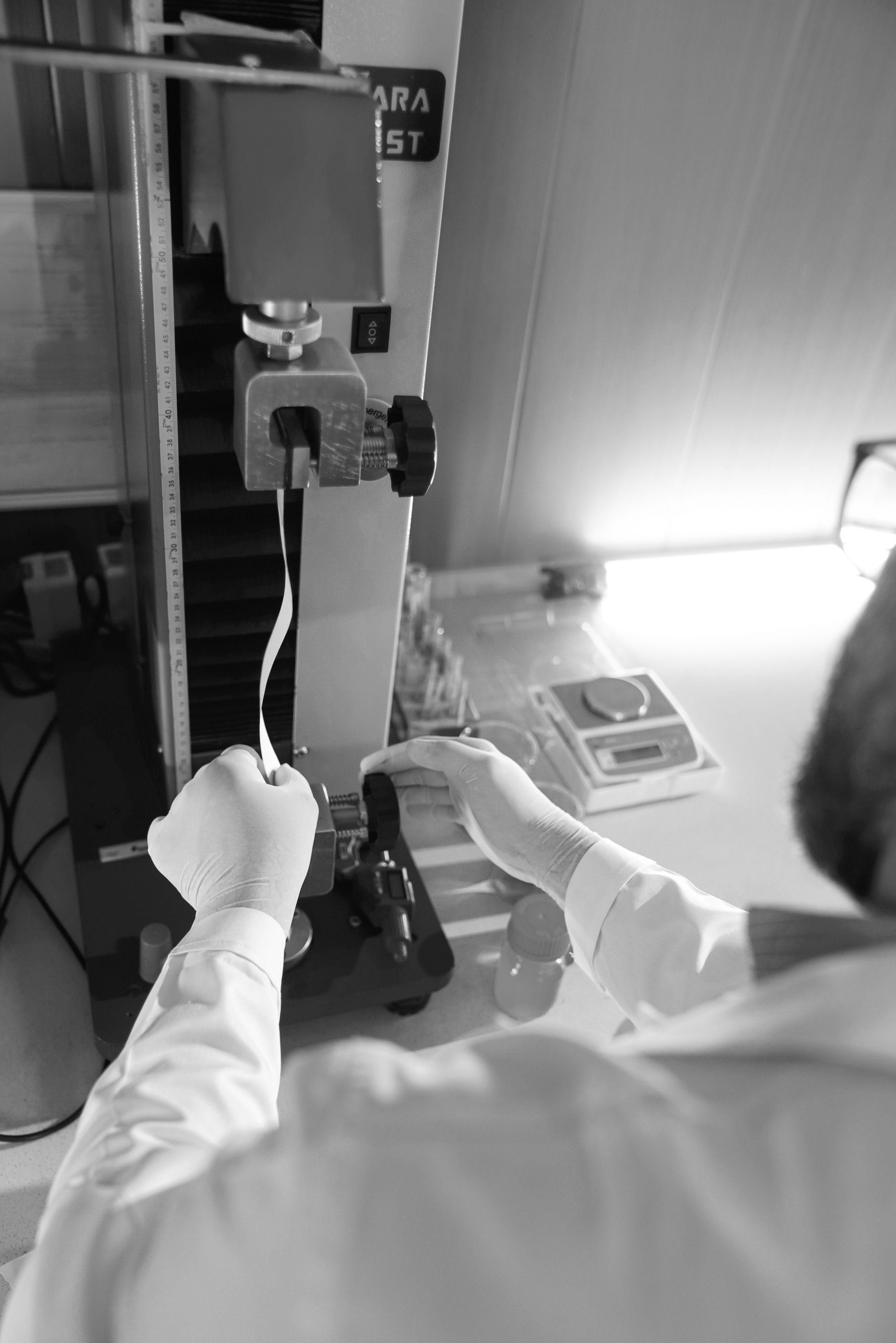
In our laboratory, using advanced equipment—including BCT, Tensile, Paper Folding Tester, Cutter-Mage, spectrophotometers, and many others—we conduct evaluation and testing of raw materials and printed items to ensure compliance with international standards as well as customer requirements.

In the print quality control laboratory, a variety of tests are conducted to ensure the quality of printed products: Color and Print Test, Durability and Resistance Test, Color Density Test, Printing Material Density Test, and Technical Specification Compliance Test.

For each production batch, a quality certificate is issued to ensure customers that the products meet the required quality standards.

Laboratory material testing